The Muslim scientists who built the foundations of STEM
Algebra, the scientific method, optics, algorithms — a great deal of what students study today was shaped during the Islamic Golden Age. Meet the scholars behind it.
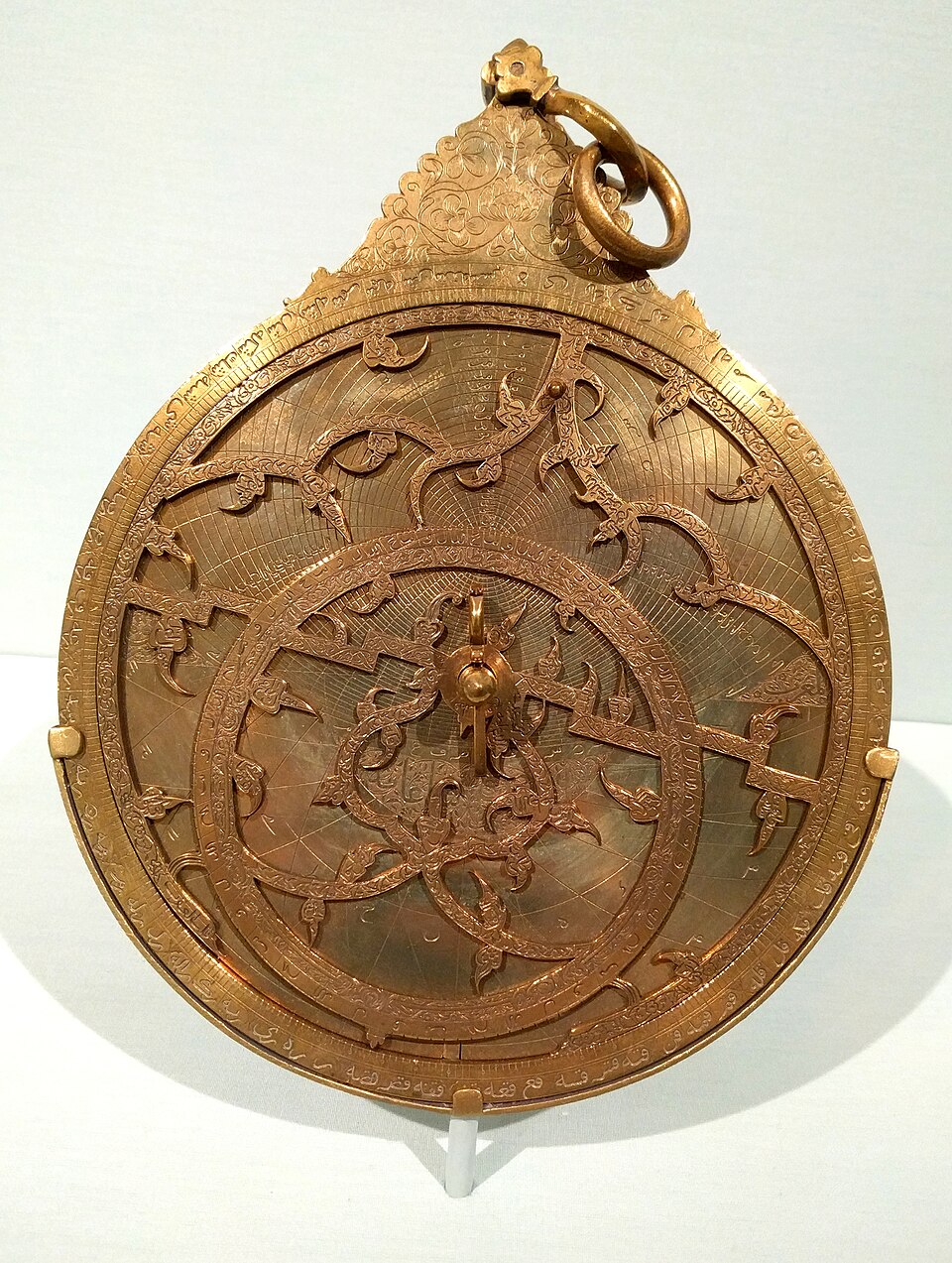

Open a maths textbook to a chapter on algebra, or a physics book to a page on how light forms an image, and you are reading the descendants of work done more than a thousand years ago by scholars of the Islamic world. Between roughly the 8th and 14th centuries — often called the Islamic Golden Age — libraries such as the House of Wisdom in Baghdad gathered, translated and, crucially, advanced the knowledge of the world. Much of the vocabulary and method students use today traces directly to them. Here are a few whose work you meet without realising it.
Al-Khwarizmi — algebra and algorithms
Muhammad ibn Musa al-Khwarizmi (c. 780–850) wrote a book whose title gave us the word algebra ("al-jabr", the reunion of broken parts). He set out systematic methods for solving equations — the balancing of both sides you do every day in maths. And his own name, Latinised, became another word you use constantly: algorithm. Every step-by-step procedure, every piece of code, every search that returns this page, carries his name.
When you rearrange an equation or follow a fixed method to solve for x, you are working in a tradition he formalised. It runs straight through to the algebra chapters in every board’s syllabus.
Ibn al-Haytham — optics and the scientific method
Al-Hasan ibn al-Haytham (c. 965–1040), known in Europe as Alhazen, worked out how vision actually happens: that we see because light reflects off objects and enters the eye — not, as the Greeks had thought, because the eye emits rays. His seven-volume Book of Optics explained reflection, refraction and how images form, the same physics behind the lens and mirror questions in your course.
His deeper contribution was a way of working: insisting that claims be tested by controlled experiment and measurement, and doubted until the evidence held. That insistence — hypothesis, experiment, evidence — is the scientific method itself, and it is why some historians call him one of its earliest practitioners. Every time your practical asks you to test a prediction and record what actually happens, you are using his approach.
Al-Biruni — measuring the world
Abu Rayhan al-Biruni (973–1048) was an astronomer, mathematician and geographer of extraordinary range. Among many things, he devised a method to estimate the radius of the Earth from a single mountain and some trigonometry, arriving at a figure remarkably close to the modern value. He worked carefully with measurement, error and the idea that the Earth rotates — centuries before these became settled science.
Jabir ibn Hayyan — the roots of chemistry
Jabir ibn Hayyan (c. 721–815) is often called the father of chemistry. He emphasised careful experiment and laboratory practice — distillation, crystallisation, precise procedure — at a time when the study of matter was still tangled with mysticism. The word alchemy, and through it chemistry, comes down through this tradition.
Why this matters for you
This is not only history for its own sake, though it is worth knowing. It is a reminder that the subjects in front of you were not handed down finished from a few names in a European textbook — they were built, over centuries, by many people across many cultures, and a great deal of the foundation was laid by scholars of the Muslim world. The words on your syllabus — algebra, algorithm, chemistry — are their fingerprints.
It is also an invitation. The same curiosity that drove them is available to anyone willing to study carefully and test what they think they know. That is the whole point of learning these subjects properly — not to memorise the endpoints, but to join the line of people still asking the questions. Start with your syllabus here.